SBS Polymer Modified Bitumen PG 76-22 to Extreme Temperature Conditions and Heavy Traffic Loads
SBS Polymer Modified Bitumen PG 76-22 is a high-performance asphalt binder specifically engineered for extreme temperature conditions and heavy traffic loads. This performance grade (PG) bitumen is modified using SBS (Styrene-Butadiene-Styrene) polymer, which significantly enhances elasticity, cohesion, adhesion to aggregates, and long-term durability.
The grade designation 76-22 indicates that this binder is capable of performing reliably at maximum pavement temperatures up to +76°C while maintaining flexibility and crack resistance at minimum pavement temperatures down to −22°C. This wide temperature range makes PG 76-22 an excellent choice for infrastructure exposed to hot summers, cold winters, and frequent freeze–thaw cycles.
Definition and Material Characteristics
SBS Modified Bitumen PG 76-22 is produced by blending high-quality petroleum bitumen with SBS polymer under controlled temperature and shear conditions. The polymer modification alters the rheological behavior of the binder, transforming it from a purely viscous material into a viscoelastic binder with superior recovery and resistance to permanent deformation.
Compared to conventional penetration grade bitumen, PG 76-22 offers:
Higher elastic recovery
Improved resistance to rutting at high temperatures
Enhanced fatigue and thermal cracking resistance
Stronger adhesion and moisture damage resistance
These properties make it suitable for high-stress pavement structures where standard bitumen grades are insufficient.
Meaning of Performance Grade PG 76-22
The Performance Grade (PG) classification system evaluates bitumen based on actual field performance rather than simple consistency tests.
PG 76-22 means:
76°C: Maximum average 7-day pavement design temperature
−22°C: Minimum pavement design temperature
This classification ensures predictable and reliable binder behavior under real climatic and traffic conditions.
Physical and Performance Properties
SBS PMB Bitumen PG 76-22 is characterized by:
Excellent high-temperature stability and rutting resistance
Reliable low-temperature flexibility and crack resistance
Superior elastic recovery due to SBS polymer modification
High resistance to aging and oxidative hardening
Strong bonding with aggregates under heavy traffic loading
These characteristics contribute to extended pavement life and reduced maintenance costs.
Applications of PMB Bitumen PG 76-22
Performance Grade Bitumen PG 76-22 is widely used in:
Highways and expressways with heavy and continuous traffic
Industrial zones and heavy-duty roads subjected to slow-moving, high-load vehicles
Airport runways and taxiways, where resistance to deformation under aircraft loads is essential
Bridges and elevated structures, to accommodate thermal movement and prevent cracking
Urban roads and hot-climate regions, exposed to prolonged high temperatures and traffic stress
This grade is ideal for high-performance pavement systems requiring durability under severe service conditions.
Standards and Compliance
SBS Polymer Modified Bitumen PG 76-22 is manufactured and tested in accordance with international standards, including:
ASTM D36 – Softening point of bituminous materials
AASHTO M 320 / M 332 – Performance-graded asphalt binder specifications
Technical Specification – SBS Modified Bitumen PG 76-22
Characteristic
Unit
Limit
Test Method
Average 7-day Max Pavement Temp
°C
≤ 76
—
Minimum Pavement Design Temp
°C
≥ −22
—
Flash Point
°C
Min. 230
AASHTO T48
Viscosity @ 135°C
Pa·s
Max. 3.0
AASHTO T316
Dynamic Shear G*/sinδ @ 76°C
kPa
Min. 1.0
AASHTO T315
Elastic Recovery
%
Min. 50
AASHTO T301
Mass Change
% wt
Max. 1.0
AASHTO T240
RTFO G*/sinδ @ 76°C
kPa
Min. 2.2
AASHTO T315
PAV Aging Temp
°C
110
AASHTO R28
PAV G*·sinδ @ 34°C
kPa
Max. 5000
AASHTO T315
Creep Stiffness (S)
MPa
Max. 300
AASHTO T313
m-Value
—
Min. 0.30
AASHTO T313
Direct Tension Failure Strain
%
Min. 1.0
AASHTO T314
Quality Control and Inspection
All SBS PMB PG 76-22 products undergo strict quality control in certified in-house laboratories compliant with AASHTO requirements. Quality assurance includes:
Batch-wise laboratory testing
Witness testing prior to shipment (upon request)
Third-party inspection by SGS and GeoChem
Full compliance with project-specific Inspection and Test Plans (ITP)
Advantages of PMB Bitumen PG 76-22
Advanced resistance to low-temperature cracking
Excellent rutting resistance under high temperatures
Superior durability under freeze–thaw cycles
Consistent quality across diverse climate conditions
Reduced maintenance and longer pavement service life
Packaging and Supply Options
Polymer Modified Bitumen PG 76-22 is available in:
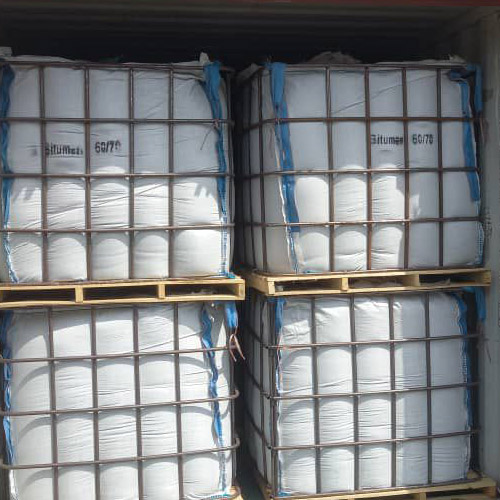
Jumbo Bag
Steel Drum
Bulk
Jumbo Bag
Jumbo bags are a popular method of transporting Bitumen Penetration From Dubai, UAE. These big, pliable bags may store 300–1,000 kg of bitumen and are usually constructed from woven polypropylene.
1MT Jumbo Bag with Pallet and Steel Cage: Loading 20Ton in 20ft Container = 20Ton Net
1MT Jumbo Bag without Pallet and Steel Cage: Loading 20Ton in 40ft Container = 20Ton Net
300Kg in Bitubag : Loading in 24Ton in 20ft Container
Steel Drum
Steel drums are a popular option for exporting Bitumen Penetration Penetration in UAE. This packaging method is preferred for its durability and dependability, which ensures safe transportation. These high-quality steel drums provide excellent protection against physical damage, contamination, and environmental hazards.
180kg New Steel Drum: Loading 110 Drum in 20ft Container= 19.80 Ton Net
150kg New Steel Drum: Loading 110Drum in 20ft Container= 16.50 Ton Net
Bulk
Bitumen Penetration in UAE, packed in 4 way packages Such as:
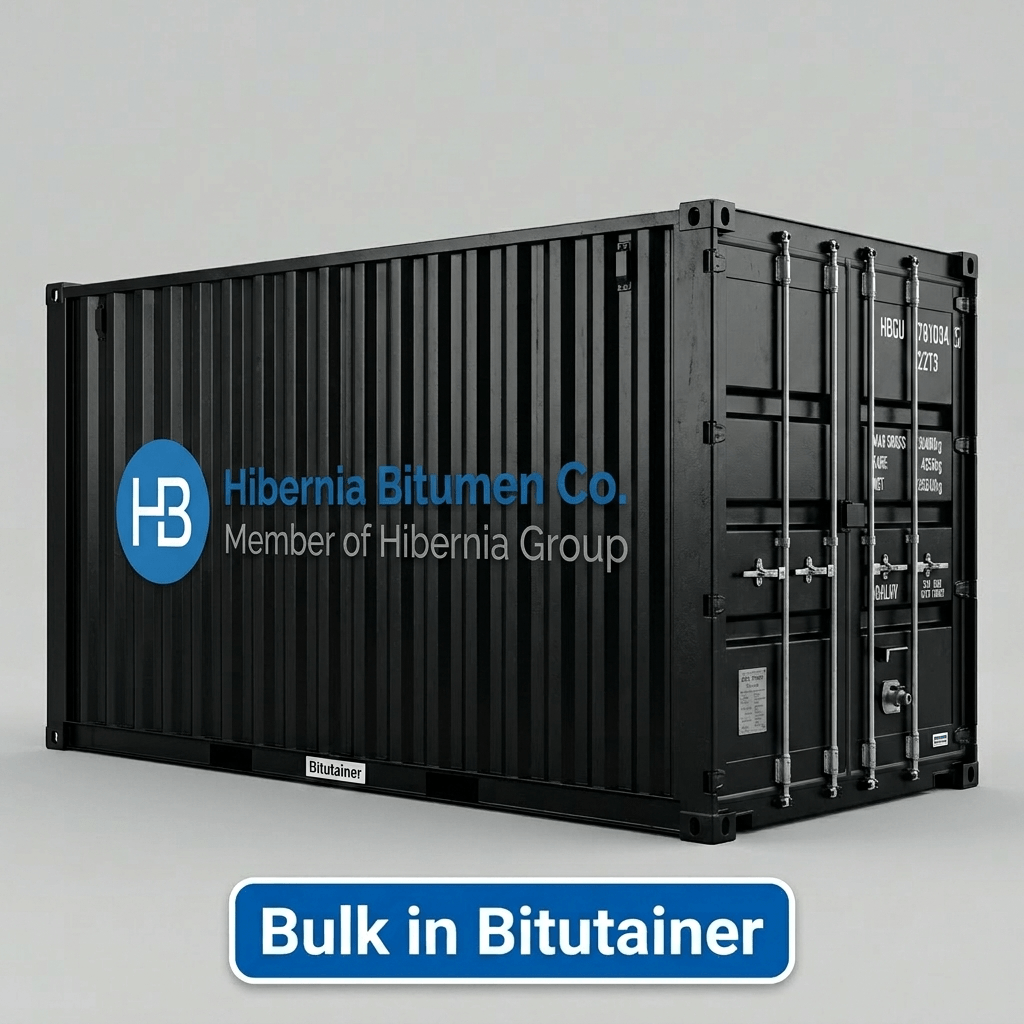
Bulk in Bitutainer
Bulk in Bulk Vessel
Bulk in Flexi Tank
Bulk in Truck Tanker
1. Bulk in Bitutainer
Bitumen penetration is frequently packed in bulk using bitutainers, which is an ideal way for efficient and safe transportation. A bitutainer can normally hold up to 25 tons of bitumen.
2. Bulk in Bulk Vessel
Bitumen is frequently loaded into bulk carrier boats for large-scale projects and worldwide transportation. This approach is very effective for loading volumes ranging from 1,000 to 30,000 tons.
3. Bulk in Flexi Tank
Large, flexible containers called flexitanks are made to fit within typical 20-foot shipping containers. When it comes to moving big loads of liquid or semi-liquid bitumen penetration, they are a great choice.
4. Bulk in Truck Tanker
Using tank trucks, also referred to as bitumen tankers, to transport bitumen penetration grades in bulk. These vehicles are built to handle heavy loads of bitumen, with capacities ranging from 24 to 25 tons.
Health and Safety
PMB Bitumen PG 76-22 poses minimal health or safety risks when handled according to recommended industrial practices. Proper PPE, ventilation, and adherence to safety guidelines ensure safe storage, transport, and application.
Conclusion
SBS Polymer Modified Bitumen PG 76-22 is a premium performance-grade asphalt binder designed for high-temperature regions, cold climates, and heavy traffic environments. Its superior elasticity, resistance to rutting and cracking, and long-term durability make it an ideal solution for highways, airports, bridges, and high-performance infrastructure projects worldwide.